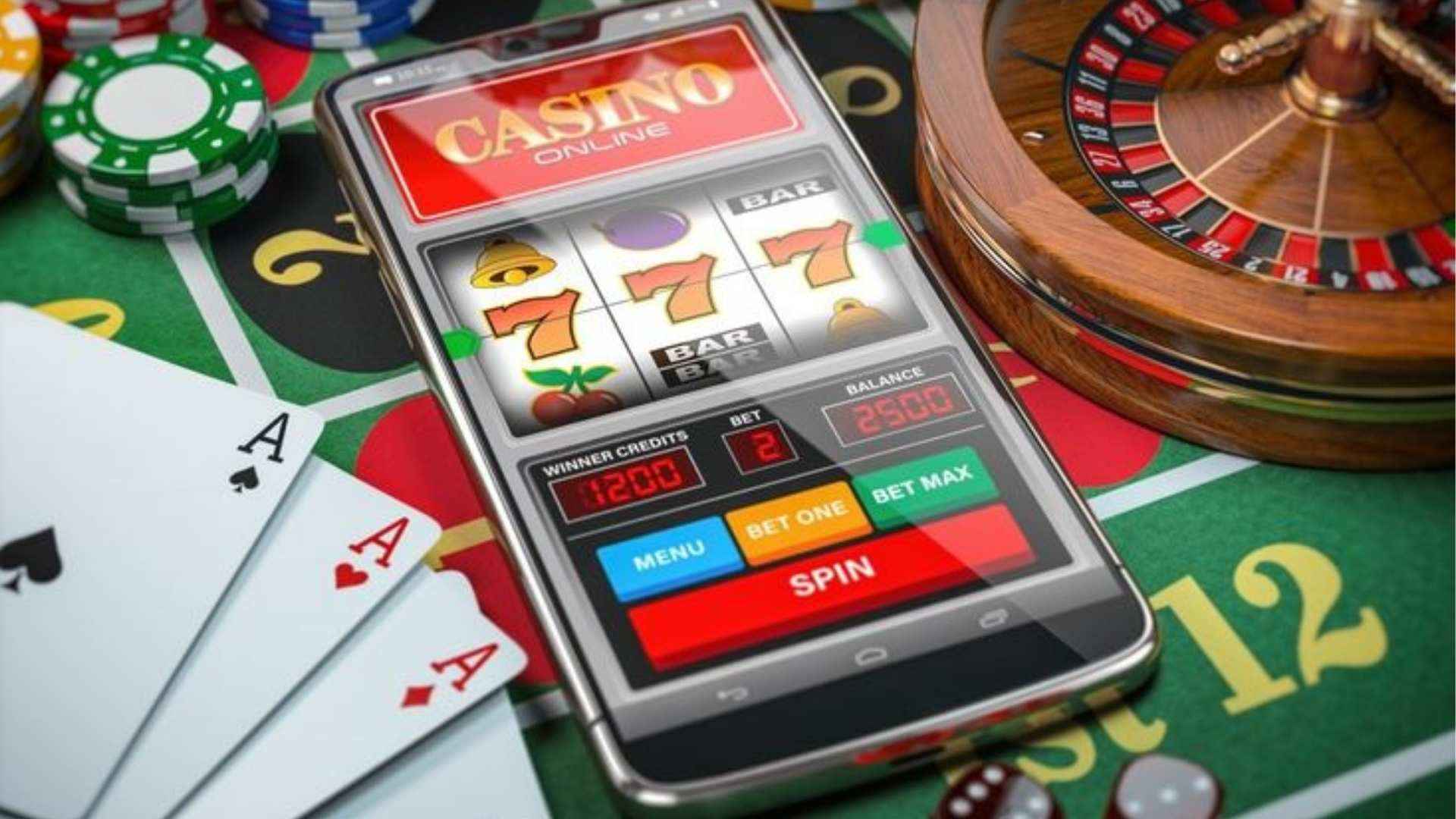
The human brain possesses an incredible fascination with uncertainty, a trait that transforms a simple spinning wheel into a deeply captivating spectacle. Whether observing a physical spinner or engaging with a modern digital interface, the moments leading up to the final result trigger an instantaneous wave of psychological focus. This transition from passive observation to active engagement highlights why chance-based activities remain uniquely powerful in contemporary entertainment fields.
The Neurobiology of Variable Rewards
Neuroscientific research reveals that dopamine levels spike highest not when a reward is received, but during the active period of anticipation. When an outcome remains completely hidden, sensory awareness amplifies as the mind attempts to calculate immediate probabilities in real time. This micro-moment of intense curiosity keeps participants locked into the present experience regardless of the final destination.
By structuring interactive media around variable outcomes, developers naturally maximize user engagement without requiring overly complex rule sets. The deliberate deceleration of a rotating pointer creates a dramatic narrative arc that compresses intense emotional investment into just a few seconds. This consistent cycle of prediction and surprise explains why the basic mechanic of a spin retains its timeless global appeal.
How Choice Architecture Shapes the Suspension
Modern entertainment platforms enhance this baseline thrill by allowing participants to customize their interaction parameters before the movement begins. Choosing specific thematic layouts or opting into customized reward pools elevates personal investment by providing a foundational sense of agency. This subtle design adjustment shifts the user perspective from passive observer to an active participant within a randomized system.
When users navigate secure gateways such as an official m88.com login, they expect transparent algorithmic frameworks that balance excitement with absolute fairness. Verifiable random number generators ensure that every single turn operates as an entirely independent event with zero hidden bias. Knowing that the system operates with integrity allows participants to abandon flawed prediction models and fully enjoy the pure suspense of the countdown.
The Behavioral Impact of the Near Miss
Another critical element sustaining this psychological momentum is the visual phenomenon known as a near miss, where the indicator stops just a single peg away from a major milestone. The human brain frequently processes these narrow margins as fractional victories rather than absolute losses, which encourages a renewed desire to try another round. This cognitive reaction effectively transforms routine gameplay into a series of highly memorable near-success stories.
To maintain a positive relationship with these interactive systems, seasoned players always establish clear personal parameters regarding session lengths and budget limits. Embracing a disciplined framework ensures that each individual turn remains a healthy source of lighthearted entertainment rather than an emotional burden. Ultimately, recognizing the independent nature of chance helps participants maintain realistic expectations while enjoying the fast-paced thrill of the rotation.