Bonus rounds have become a defining feature in modern casual games, offering players a sudden shift in pace and extra opportunities to score points. These special mini-games break up repetitive gameplay loops by introducing distinct mechanics and higher reward multipliers. Understanding how bonus rounds operate can help casual gamers maximize their scores while enjoying a more engaging session.
The Core Design of Casual Bonus Rounds
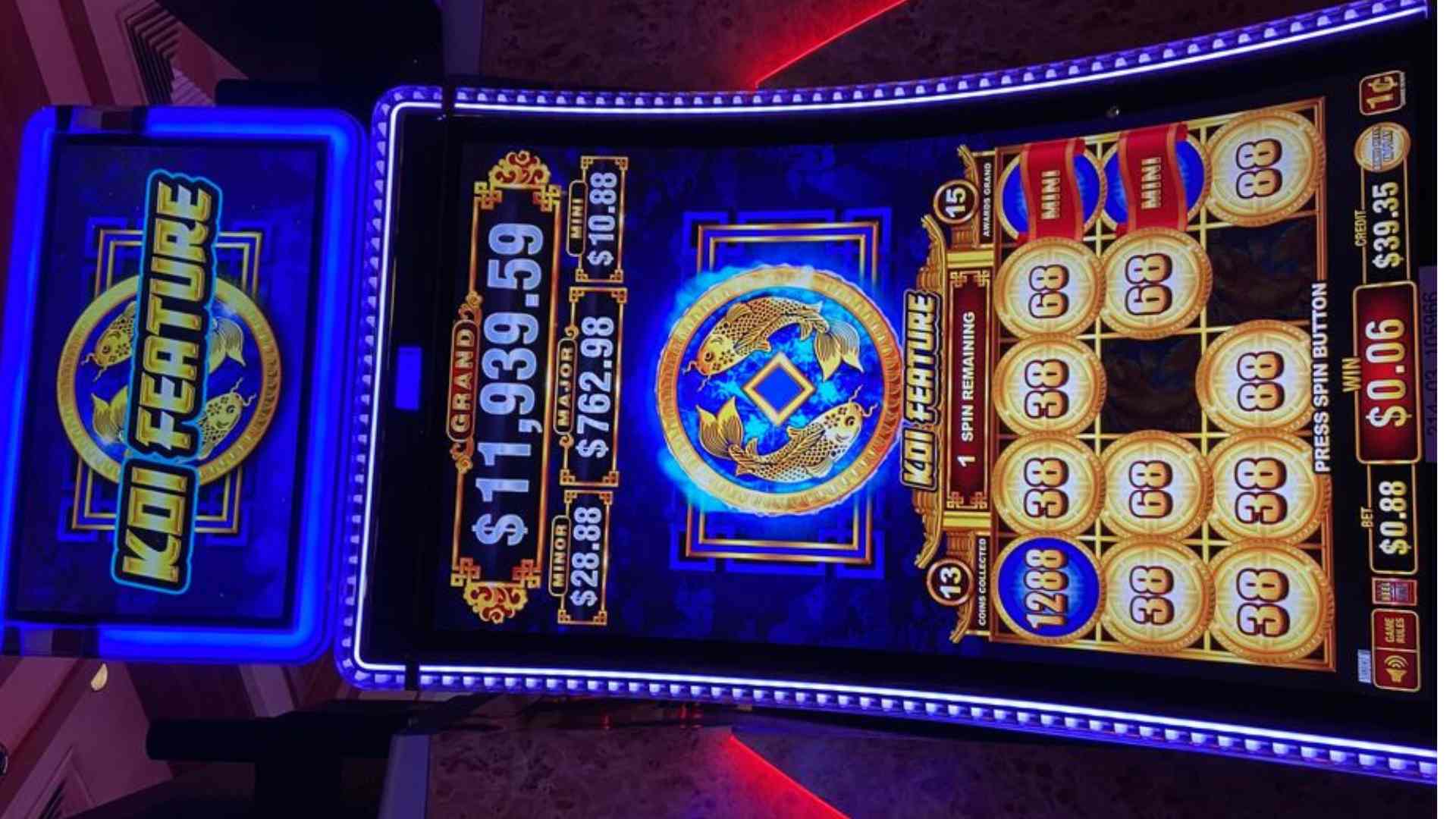
Game developers carefully construct bonus rounds to provide instant gratification and maintain player interest over longer periods. These events usually trigger after a player reaches specific score milestones, clears difficult stages, or collects key items during standard gameplay. By shifting the objective temporarily, bonus rounds keep the overall experience feeling fresh and dynamic.
Unlike primary gameplay levels, bonus stages often feature reduced risk alongside elevated reward potential. Players rarely face penalty timers or life losses during these sequences, allowing them to focus entirely on collecting extra points or digital items. This stress-free environment reinforces positive player engagement across all skill levels.
Popular Types of Interactive Bonus Features
Casual titles feature a variety of bonus formats tailored to different game genres. Wheel spins, prize pickers, and temporary speed-run stages represent the most common variations found in contemporary mobile and web games. Each type tests a different aspect of player reaction or luck without complicating the core mechanics.
Many online platforms offer interactive features that mirror these rewarding game loops. Players seeking smooth access to online entertainment frequently complete their www m88 com login to explore varied digital experiences. Having accessible pathways allows users to switch between casual titles effortlessly.
The Psychological Appeal of Surprise Mechanics
The anticipation of unlocking a bonus round acts as a powerful motivator in casual gaming. Behavioral feedback loops reward consistency, making players eager to complete one more level in pursuit of a surprise mini-game. This cycle of effort and unexpected reward enhances long-term retention rates for developers.
Visual and auditory cues play a massive role in making bonus events feel significant to the user. Bright animations, triumphant sound effects, and dramatic screen transitions signify that a high-value phase has begun. These sensory enhancements heighten excitement and leave a lasting positive impression.
Strategies for Maximizing Bonus Opportunities
To consistently trigger and excel in bonus stages, players should focus on understanding early activation rules. Monitoring progress meters and saving specialized power-ups for key moments often speeds up entry into secondary gameplay modes. Efficient resource management ensures that no bonus opportunity is wasted during regular sessions.
Staying patient during high-speed bonus rounds also yields better overall outcomes than rushing actions. While the temporary nature of these events creates a sense of urgency, deliberate movements usually result in higher point accumulation. Balancing quick reflexes with calm decision-making guarantees the best possible results when bonus rounds appear.