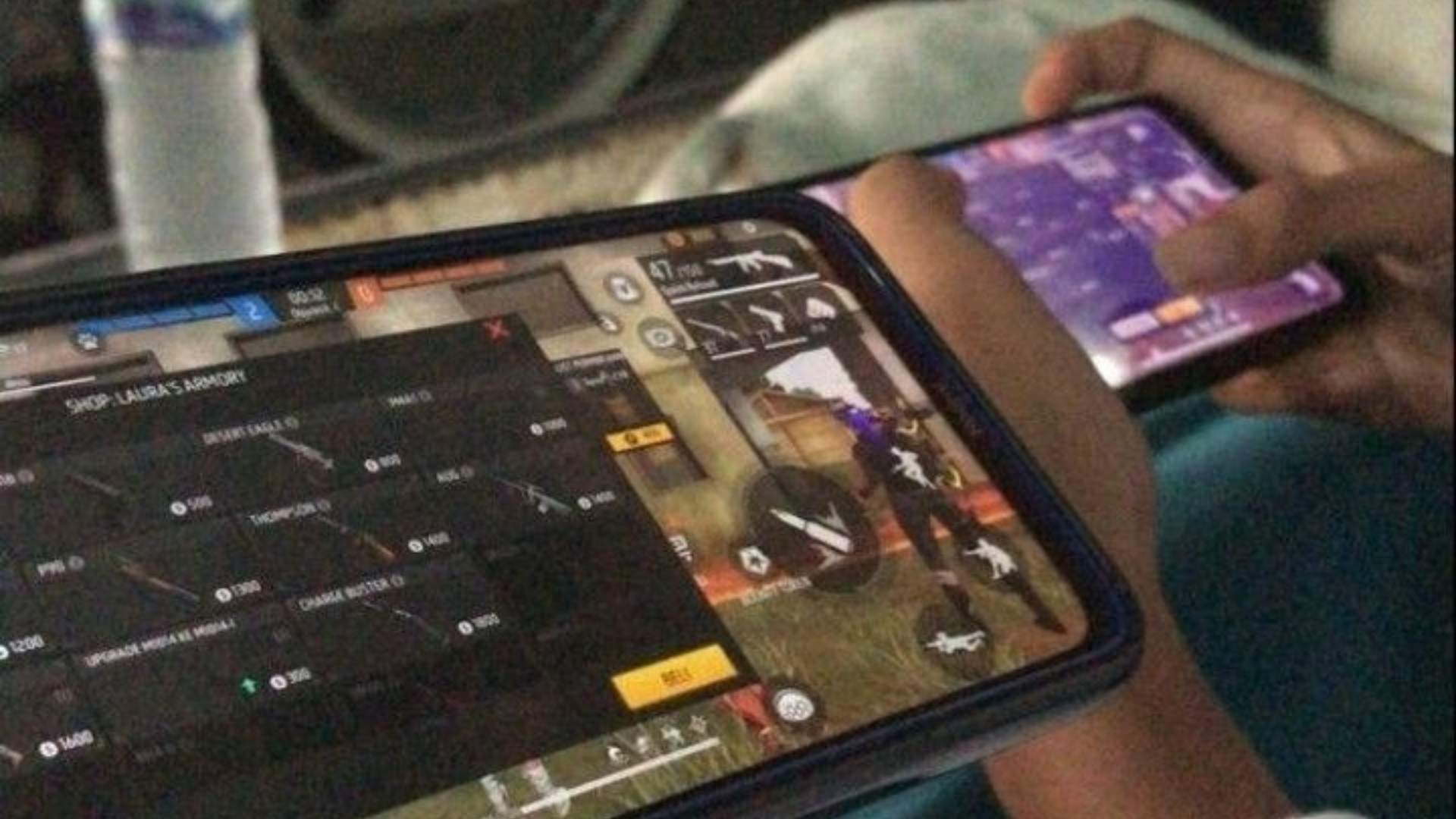
The landscape of modern cooperative gaming has experienced a massive shift toward deeply integrated tactical frameworks. Rather than relying solely on individual reflexes, contemporary titles emphasize shared goals and synchronized actions to achieve victory. This evolution has transformed online lobbies into dynamic arenas where collective intelligence dictates success.
The Evolution of Shared Mechanics
In the early days of online interaction, cooperative modes often meant simply sharing a screen or shooting the same targets. Today, sophisticated multiplayer systems require real-time synchronization and a deep understanding of complementary roles. Players must learn to read their teammates' movements and adjust their operational choices continuously.
Modern developers utilize complex map layouts and environmental obstacles to force continuous adaptation among active participants. These design structures ensure that success cannot be achieved through solitary effort or linear approaches alone. Consequently, groups must establish strong communication protocols before entering high-stakes competitive environments.
Building Trust Through Dynamic Synergy
Achieving fluid cooperation inside complex virtual worlds requires a high degree of mutual trust and split-second decision-making. When facing unpredictable obstacles, teams that possess flexible role distribution tend to outperform rigid lineups. This operational flexibility allows squads to mitigate individual weaknesses and maximize their collective tactical advantages.
To explore premium digital environments that support advanced tactical matchmaking and diverse community hubs, enthusiasts can visit M88 asia for specialized options. Engaging with these refined platforms helps communities connect with modern systems optimized for interactive group engagements. Developing these collaborative capabilities ultimately prepares participants for complex long-term challenges.
Advanced Tools for Real Time Planning
The integration of sophisticated communication features has fundamentally changed how modern communities execute complex battlefield maneuvers. Instead of relying entirely on slow text commands, contemporary environments leverage live proximity audio and interactive ping networks. These advanced tools allow squads to coordinate multi-layered ambushes and resource distribution instantly.
Furthermore, post-match analysis features enable groups to review their positioning and identify structural flaws in their strategic execution. This continuous loop of execution and refinement helps casual circles transition into highly organized competitive organizations. Over time, the mastery of these interactive elements turns standard gaming sessions into deep cognitive exercises.
The Future of Cooperative Ecosystems
As network infrastructure improves globally, developers are pushing the boundaries of scale and environmental reactivity in multiplayer arenas. Upcoming titles aim to introduce massive persistent ecosystems where thousands of players must collaborate to shape the virtual landscape. These grand designs will undoubtedly demand even higher levels of logistical coordination and societal organization.
The growing popularity of these immersive cooperative spaces proves that modern gamers crave meaningful connection over isolated entertainment. By prioritizing collective triumph and deep interactive mechanics, the industry ensures long-term community retention and engagement. It remains a vibrant space where passion continuously fosters innovative human collaboration.